Archives
- 2026-11
- 2026-10
- 2026-09
- 2026-08
- 2026-07
- 2026-06
- 2026-05
- 2026-04
- 2026-03
- 2026-02
- 2026-01
- 2025-12
- 2025-11
- 2025-10
- 2025-09
- 2025-03
- 2025-02
- 2025-01
- 2024-12
- 2024-11
- 2024-10
- 2024-09
- 2024-08
- 2024-07
- 2024-06
- 2024-05
- 2024-04
- 2024-03
- 2024-02
- 2024-01
- 2023-12
- 2023-11
- 2023-10
- 2023-09
- 2023-08
- 2023-06
- 2023-05
- 2023-04
- 2023-03
- 2023-02
- 2023-01
- 2022-12
- 2022-11
- 2022-10
- 2022-09
- 2022-08
- 2022-07
- 2022-06
- 2022-05
- 2022-04
- 2022-03
- 2022-02
- 2022-01
Acknowledgments br Introduction Type diabetes mellitus T
2022-09-17
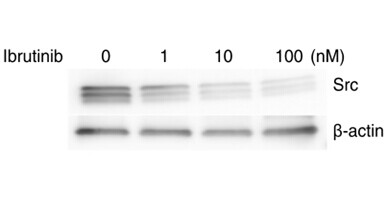
Acknowledgments Introduction Type 2 diabetes mellitus (T2DM) is caused by relative insulin deficiency or insulin resistance in peripheral tissues. The clinical management of T2DM is achieved by controlling blood glucose levels. Current therapies available for treatment of T2DM include biguanides
Following an endoproteolytic cleavage of
2022-09-17
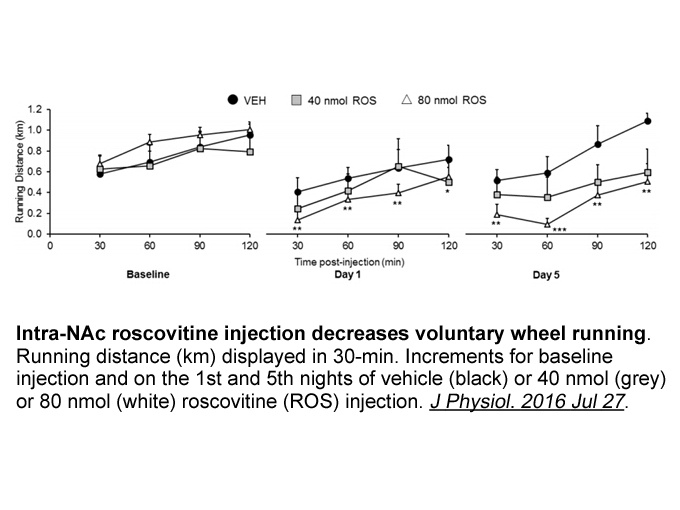
Following an endoproteolytic cleavage of C99, γ-secretase trims the remaining fragment Aβ49 or Aβ48 in successive, mostly three-residue steps. Aβ49 typically gives rise to Aβ46, Aβ43, and Aβ40; whereas Aβ48 usually yields Aβ45 and Aβ42 [59]. The physical basis for this characteristic cleavage patter
In the thoracic spinal cord neither glacial
2022-09-17
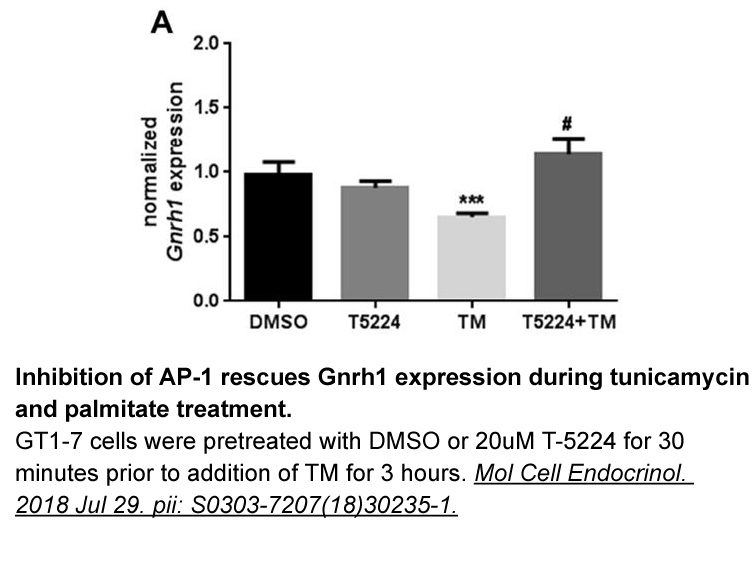
In the thoracic spinal cord, neither glacial acetic CHIR-090 sale nor HBO2 had an effect on nNOS expression or expression of the phosphorylated β3 subunit of the GABAA receptor. This result was not unexpected due to the preponderance of nociceptive signaling in the lumbar versus thoracic spinal cord
Receptor tyrosine kinases RTKs consist of subfamilies
2022-09-17
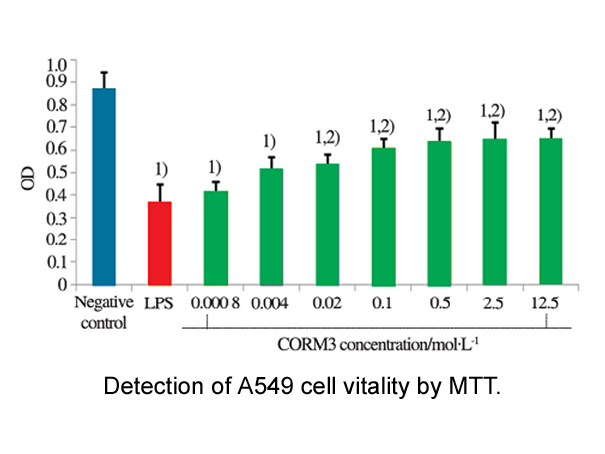
Receptor tyrosine kinases (RTKs) consist of 20 subfamilies in humans, all of which share a common structure consisting of extracellular ligand-binding region, a single-pass transmembrane domain and an intracellular tyrosine kinase domain [2]. Binding of a growth factor to the ligand-binding domain r
In summary PPARG and FFAR
2022-09-17

In summary, PPARG and FFAR1 are connected in several ways, and the presented interaction is mechanistically reasonable. Additional investigations are required to elucidate the exact details of the underlying physiology. However, our findings are of immanent importance for the treatment of type 2 dia
DAMPs are endogenous danger signals that can
2022-09-17
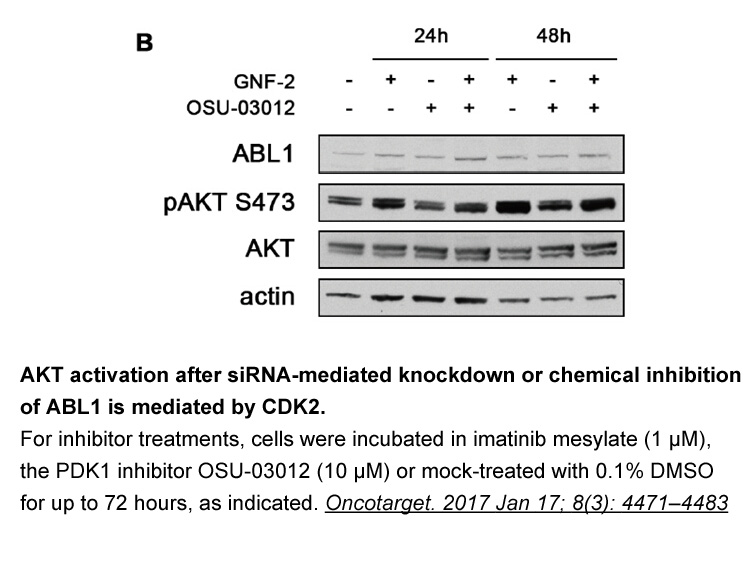
DAMPs are endogenous danger signals that can initiate and perpetuate a noninfectious MLN 2480 during cell death [23]. HMGB1 is a well-studied nuclear DAMP in various types of regulated necrosis and has been implicated in the pathogenesis of infection and sterile inflammation. Our current data indica
The molecular mechanism of gliotransmitter release is not
2022-09-17
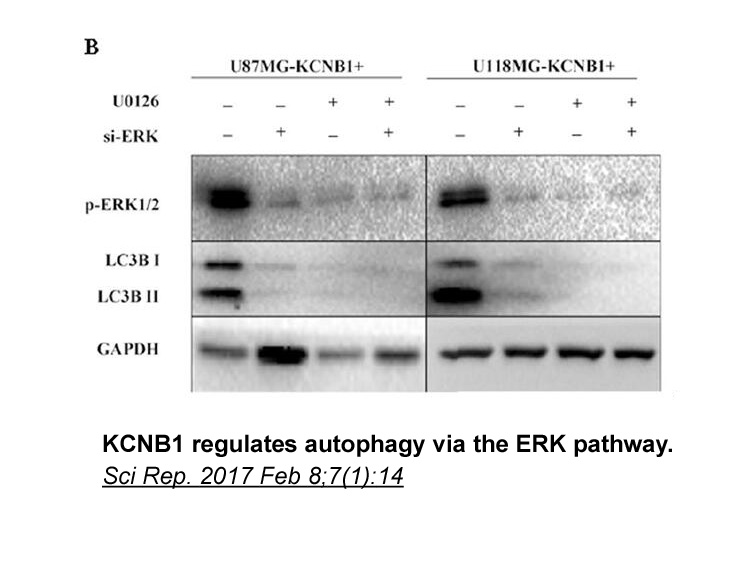
The molecular mechanism of gliotransmitter release is not fully understood until now, and previous studies have emphasized that the elevation of [Ca2+]i triggers vesicular TNKS 22 of glutamate. Parpura et al. reported that the essential role of Ca2+ release from internal stores in glutamate release
Several plant derived molecules such
2022-09-17
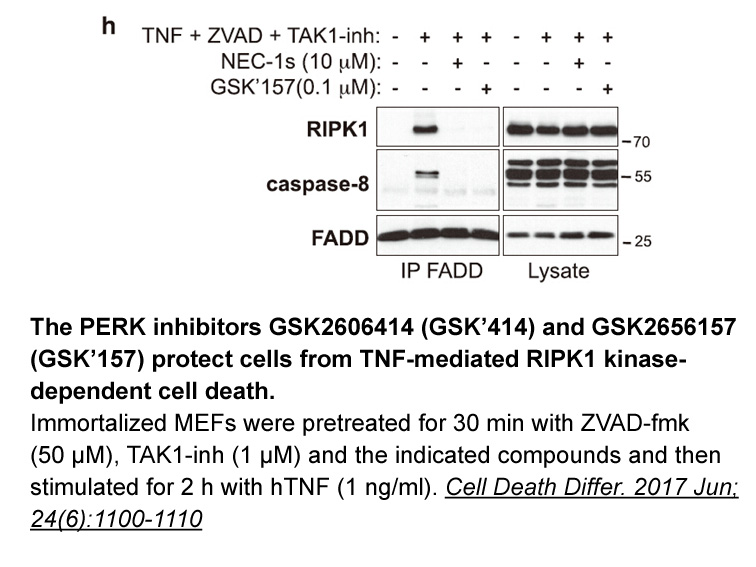
Several plant-derived molecules such as resveratrol, curcumin, zerumbone, and physalin B have been reported as modulators of Hh/Gli signaling pathway (Hosoya et al., 2008, Mohapatra et al., 2015). Our previous studies have demonstrated that a sesquiterpene lactone and diarylheptanoids from Siegesbec
HPgV coinfection has been associated with reduced liver dise
2022-09-16
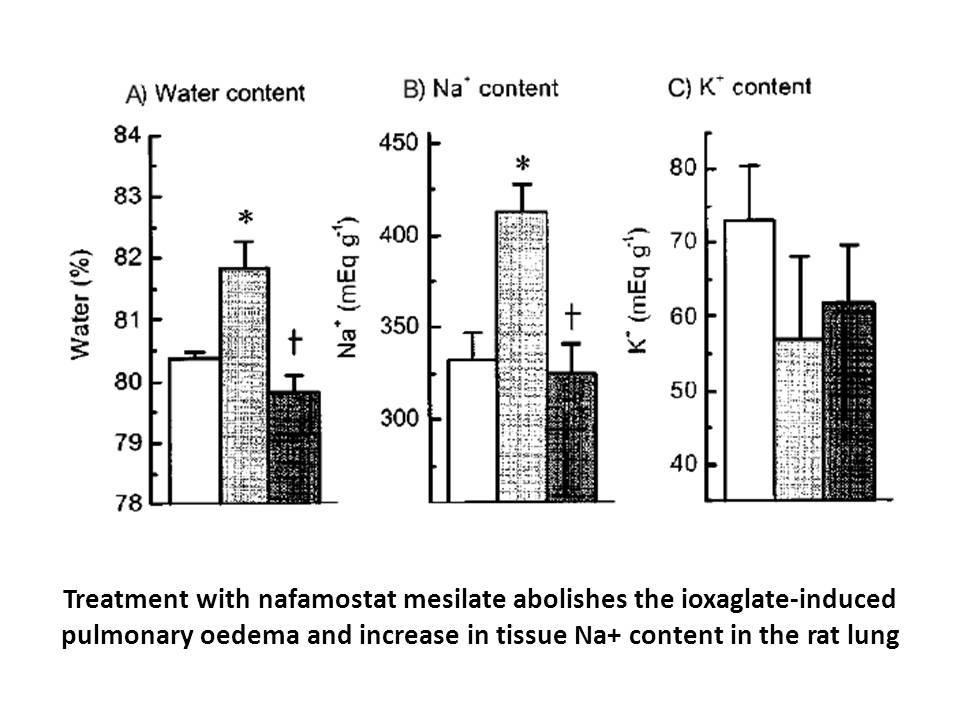
HPgV coinfection has been associated with reduced liver disease in HPgV/HCV/HIV triply infected patients (Barbosa Ade et al., 2009, Berzsenyi et al., 2007, Berzsenyi et al., 2009, Berzsenyi et al., 2011). It is possible that HCV NS3 protease inhibitors could inhibit HPgV replication diminishing its
TNP-470 synthesis Studies with GSNOR knockout mice reported
2022-09-16
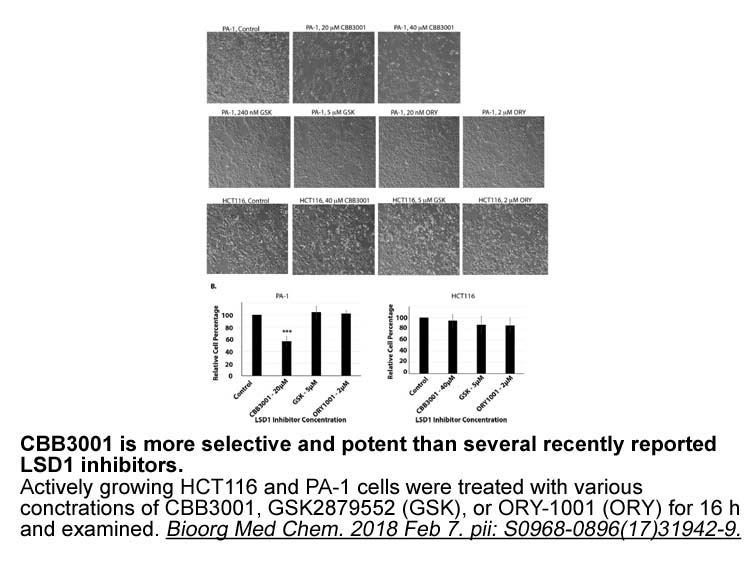
Studies with GSNOR knockout mice reported decreased CD4+ TNP-470 synthesis and increased CD19+ cells (B-cell) in the blood [31] as well as demyelination, neurodegeneration, and neuropathic pain [29]. To understand the basis of these differences in immune function of GSNOR knockout mice and GSNO tre
br Origin of the vertebrate hexokinase gene family Multiple
2022-09-16
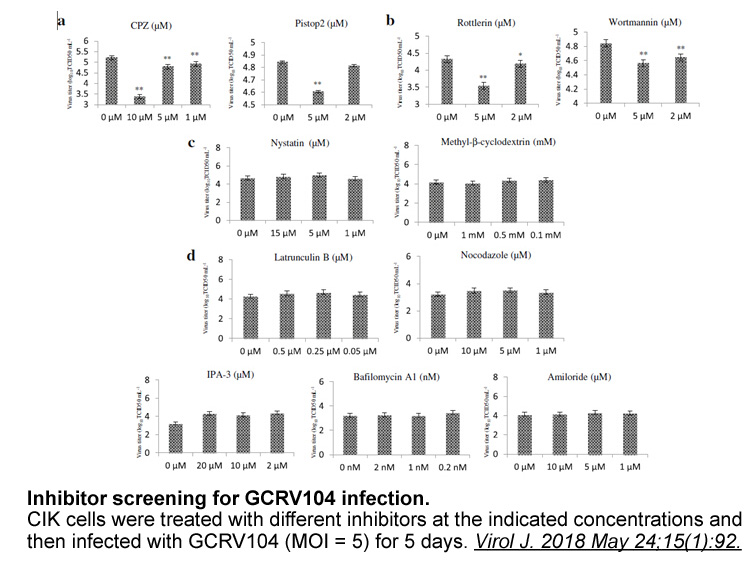
Origin of the vertebrate hexokinase gene family Multiple hexokinases have been found in vertebrates, plants and yeast (Wilson, 1995, Cárdenas et al., 1998). A hexokinase in both vertebrates and yeast has, unfortunately, been named glucokinase. The sharing of the name glucokinase has suggested to
Methods br Results br Discussion In this report
2022-09-16
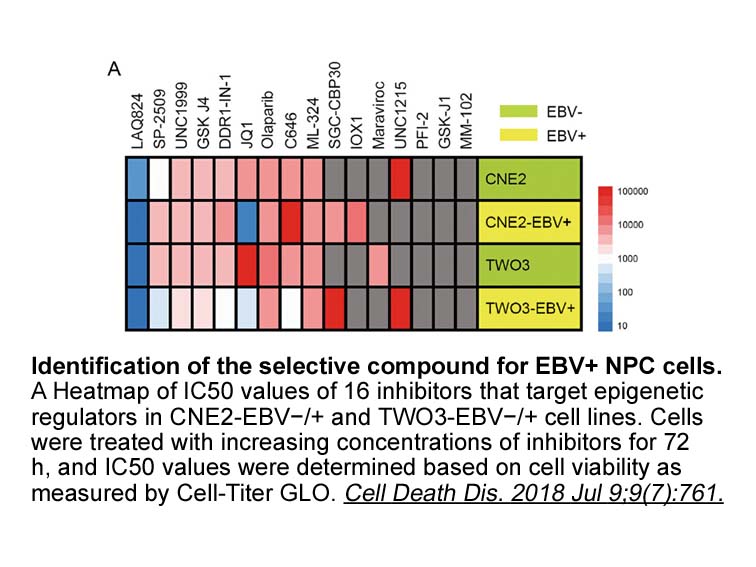
Methods Results Discussion In this report, the therapeutic effect of a GCGR antagonistic antibody REMD2.59 was tested in 2 mechanistically divergent disease models of heart failure without confounding defects in global metabolism. Based on histological and functional analyses in both MI-injur
Both preclinical and clinical studies have identified a dist
2022-09-16
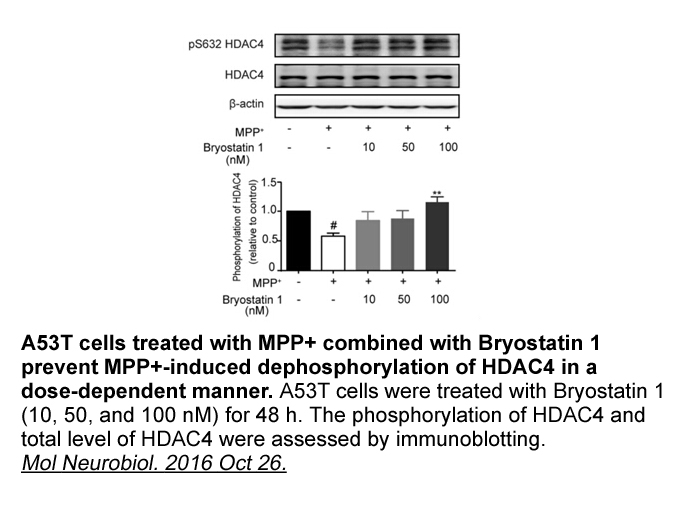
Both preclinical and clinical studies have identified a distributed set of CNS nuclei that participate in cognitive control of feeding behavior. Preclinical studies that utilize restricted access feeding schedules (RFS) indicate that rodents learn to anticipate delivery of scheduled meals as indicat
br Acknowledgements br Introduction Galanin
2022-09-15
Acknowledgements Introduction Galanin shows widespread distribution in the central nervous system (CNS) and peripheral nervous system (PNS) as well as in the immune, endocrine and endothelial vascular systems (Lang et al., 2007). Galanin controls diverse physiological processes such as arousal
A majority of aptamer based biosensors
2022-09-15

A majority of aptamer-based biosensors (termed aptasensors) is based on structure-switching process of aptamer probes upon target binding [[12], [13], [14], [15]]. And canonical structure-switching aptamer probes are strand-displacement aptamer probes, aptamer beacons and split aptamers [[16], [17],
8150 records 408/544 page Previous Next First page 上5页 406407408409410 下5页 Last page