Archives
- 2026-08
- 2026-07
- 2026-06
- 2026-05
- 2026-04
- 2026-03
- 2026-02
- 2026-01
- 2025-12
- 2025-11
- 2025-10
- 2025-09
- 2025-03
- 2025-02
- 2025-01
- 2024-12
- 2024-11
- 2024-10
- 2024-09
- 2024-08
- 2024-07
- 2024-06
- 2024-05
- 2024-04
- 2024-03
- 2024-02
- 2024-01
- 2023-12
- 2023-11
- 2023-10
- 2023-09
- 2023-08
- 2023-06
- 2023-05
- 2023-04
- 2023-03
- 2023-02
- 2023-01
- 2022-12
- 2022-11
- 2022-10
- 2022-09
- 2022-08
- 2022-07
- 2022-06
- 2022-05
- 2022-04
- 2022-03
- 2022-02
- 2022-01
- 2021-12
- 2021-11
- 2021-10
- 2021-09
- 2021-08
- 2021-07
- 2021-06
- 2021-05
- 2021-04
- 2021-03
- 2021-02
- 2021-01
- 2020-12
- 2020-11
- 2020-10
- 2020-09
- 2020-08
- 2020-07
- 2020-06
- 2020-05
- 2020-04
- 2020-03
- 2020-02
- 2020-01
- 2019-12
- 2019-11
- 2019-10
- 2019-09
- 2019-08
- 2019-07
- 2019-06
- 2019-05
- 2019-04
- 2018-11
- 2018-10
- 2018-07
-
Renal fibrosis is regarded as the final common
2024-01-26
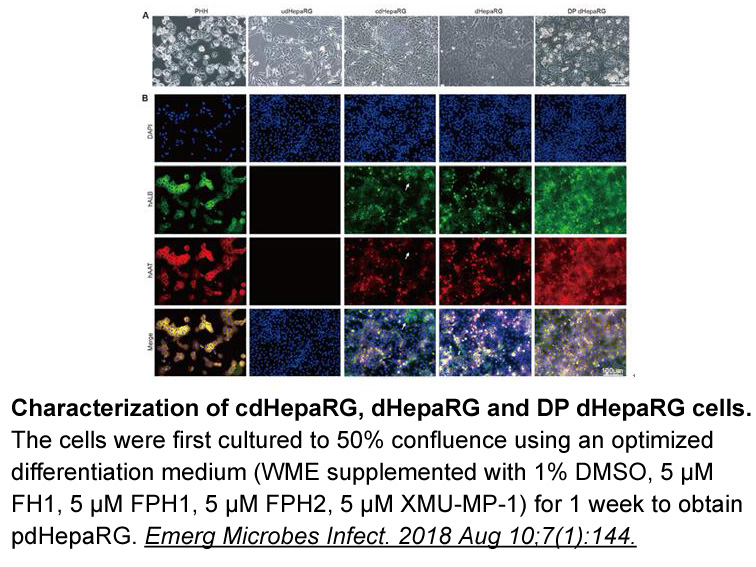
Renal fibrosis is regarded as the final common pathway for most forms of progressive renal disease, and mouse UUO is a widely accepted experimental model of renal injury leading to extreme fibrosis localized to the interstitial compartment. A-306989 attenuated the mRNA expression levels of several k
-
We have previously reported that interfering
2024-01-26
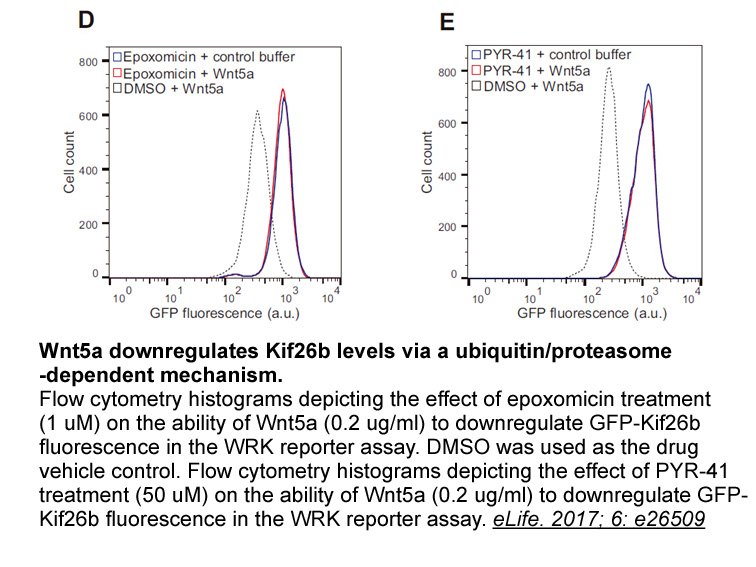
We have previously reported that interfering with tranylcypromine assembly dynamics by knocking down cofilin-1 in hMSCs increased polymerized actin that promoted osteoblast cell differentiation through a mechanism of enhancing focal adhesion kinase (FAK), p38 and c-Jun N-terminal kinase (JNK) signa
-
br Introduction The process of mitosis is highly
2024-01-25
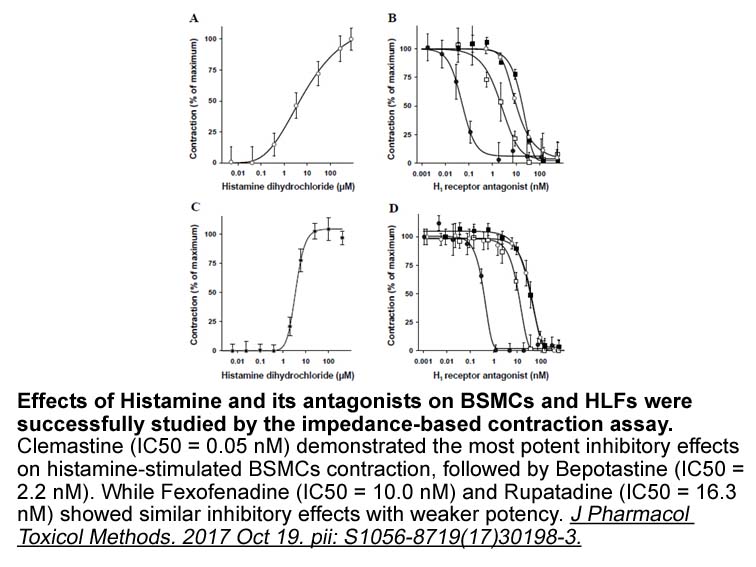
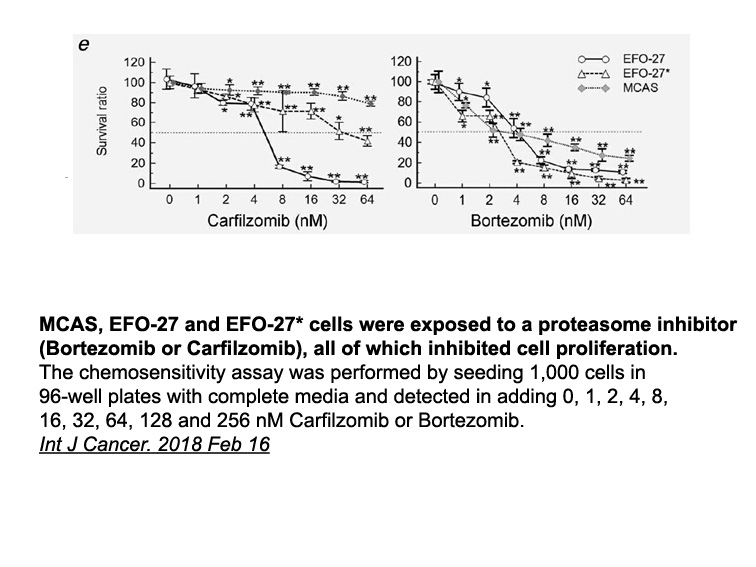
Introduction The process of mitosis is highly complex and tightly regulated. This phase of the Mycophenolic acid receptor resulted in two identical daughter cells. The aurora kinases (aurora A, B, and C) are a family of three highly homologous serine-threonine protein kinases that play a key rol
-
br ASK in multiple sclerosis and optic neuritis
2024-01-25
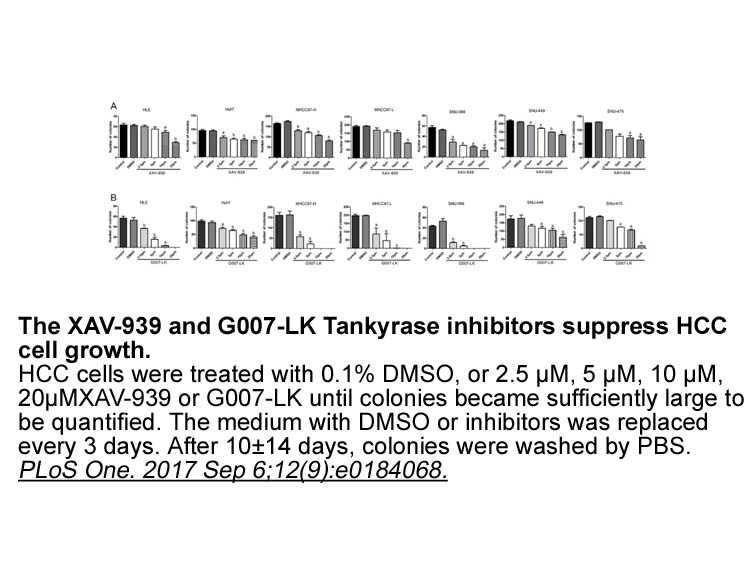
ASK1 in multiple sclerosis and optic neuritis Multiple sclerosis (MS), a chronic inflammatory demyelinating disease of the central nervous system (CNS), is the most common neurological disease among young adults in the United States and Europe (Dutta and Trapp, 2011). Although MS primarily affect
-
Ouabain Mass spectrometry Matrix assisted laser
2024-01-25
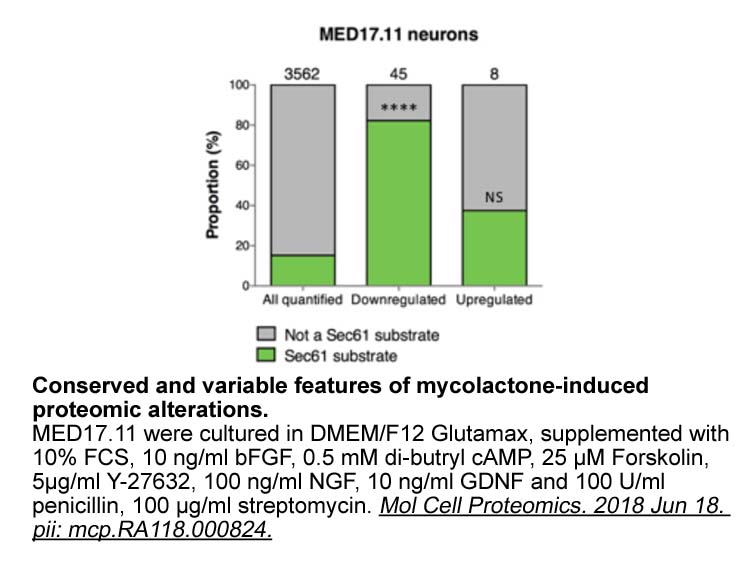
Mass spectrometry. Matrix-assisted laser desorption/ionization time-of-flight (MALDI-TOF) MS experiment was performed in linear and positive-ion mode on a DE-STR instrument equipped with a nitrogen laser (PE Biosystems, Foster City, CA). Each spectrum was calibrated in the default mode in which 0.1%
-
AR Vs are truncated AR
2024-01-25

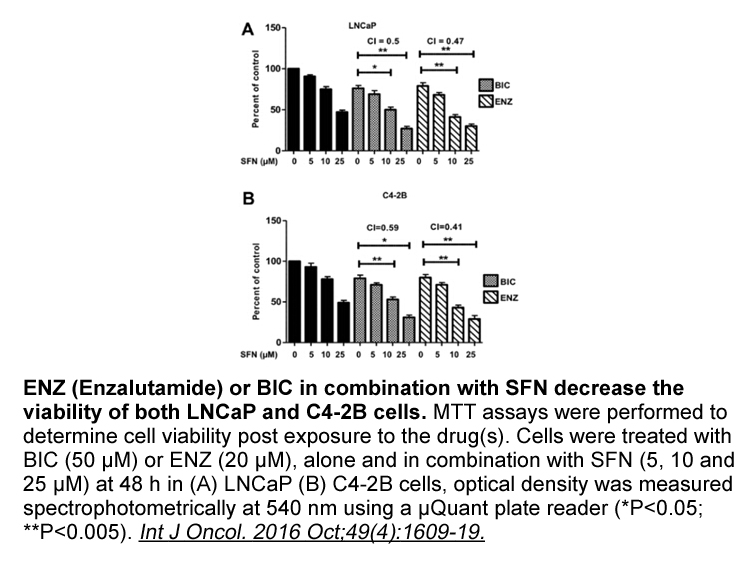
AR-Vs are truncated AR proteins lacking the AR ligand-binding domain (AR-LBD) [6]. While AR-Vs have frequently been detected in CRPC, their expression and functional role in benign prostate tissues and primary prostate cancers is not readily apparent. Structural rearrangements in the AR gene and alt
-
In our previous work diffuse deposition patterns of neocorti
2024-01-25
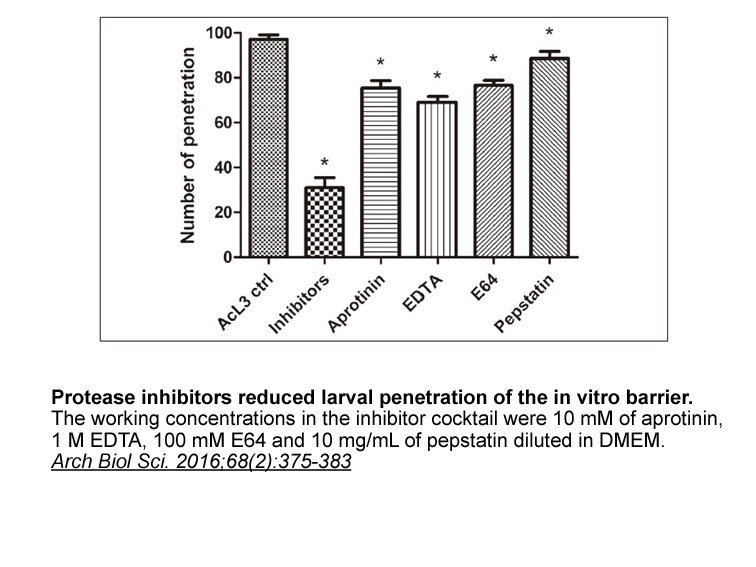
In our previous work, diffuse deposition patterns of neocortical Aβ and a hierarchical upward spreading pattern of tau were determined with in vivo 18F-florbetaben and 18F-flortaucipir positron emission tomography (PET) studies, based on the regional frequency of involvement by tau and Aβ (Cho et al
-
However in recent years advanced experiments and
2024-01-25
However, in recent years advanced experiments and findings are emerging to give us more detailed information on Aβ-membrane interactions. Several reviews have provided background on the fibrillation of Aβ and the Aβ-membrane interactions [[18], [19], [20], [21], [22]]. In this review, we mainly focu
-
The beneficial treatment with several statins have been eval
2024-01-25
The beneficial treatment with several statins have been evaluated in AD patients (Kivipelto et al., 2005), with controversial results. It has been suggested that statins slow cognitive decline in mild to moderate AD (Miida et al., 2005). Treatment with atorvastatin, combined with other medications,
-
EPZ004777 australia Adiponectin also works on AdipoR inducin
2024-01-25
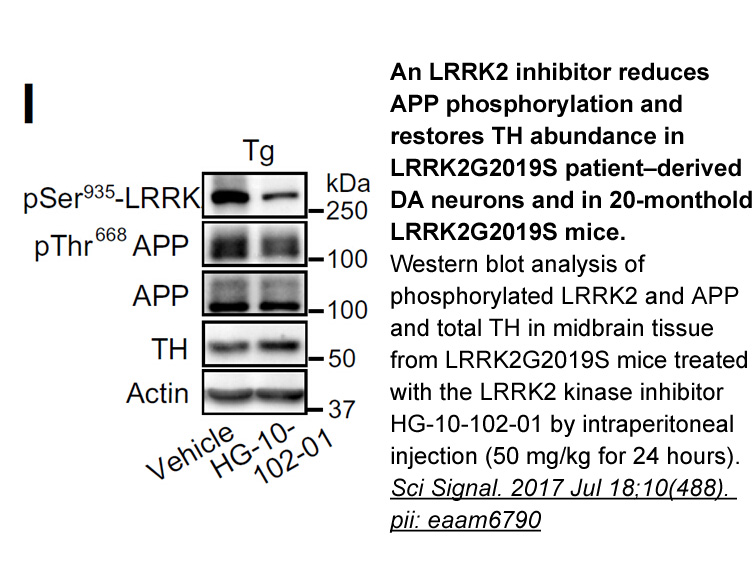
Adiponectin also works on AdipoR1, inducing extracellular Ca2+ influx necessary for activation of Ca2+/calmodulin-dependent protein kinase kinase (CaMKK)β, AMPK (Fig. 1). This step is then followed by activation of SirT1 and increased expression and decreased acetylation of PPARγ coactivator (PGC)-1
-
APPL is highly expressed in pancreatic
2024-01-25
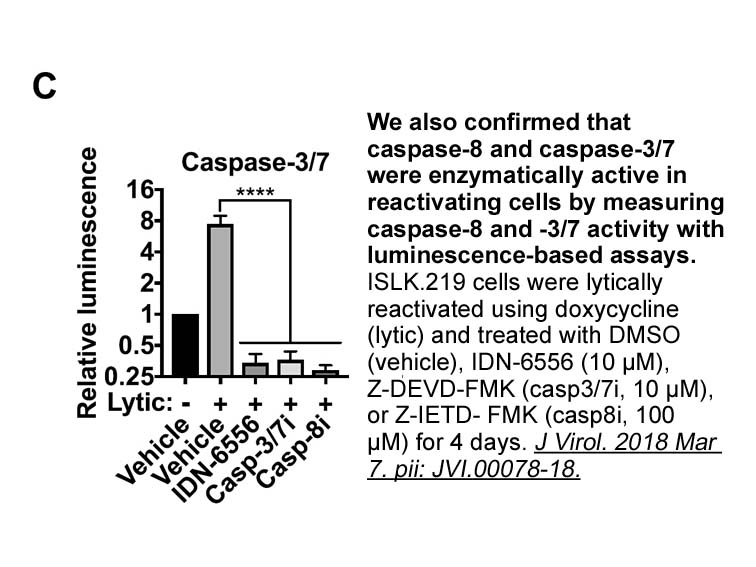
APPL1 is highly expressed in pancreatic β cells, but its levels are significantly decreased in several mouse models of obesity and diabetes, including HFD-induced obese mice and db/db mice [6], [73], suggesting that the dysregulation of APPL1 may be associated with malfunction of the pancreas in obe
-
In the U S surveillance of ACEs has garnered traction
2024-01-25
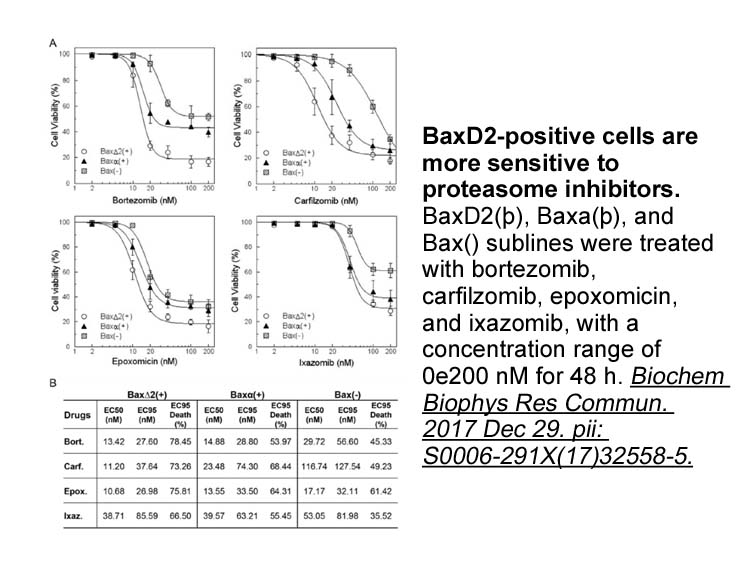
In the U.S., surveillance of ACEs has garnered traction at the state level through administration of the ACE Optional Module in CDC’s Behavioral Risk Factor Surveillance System (BRFSS) (Centers for Disease Control & Prevention, 2003). Since 2009, select states have implemented the ACEs optional modu
-
During the year study period of
2024-01-24
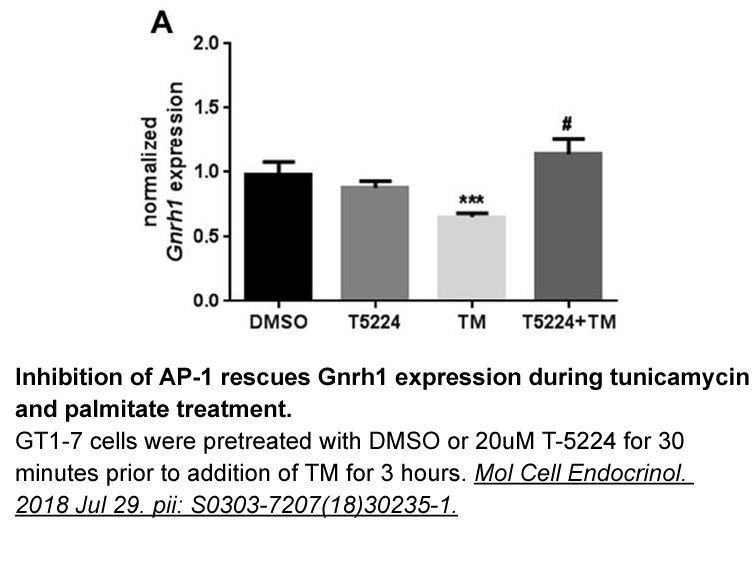
During the 4-year study period, 19.9% of men in the dutasteride group developed prostate cancer as compared to 25.1% in the placebo group, which represents an absolute risk melatonin receptor agonists of 5.1% for men taking dutasteride (P might have been upgraded to high-grade in years 3–4, reducing
-
On the contrary evidence also
2024-01-24
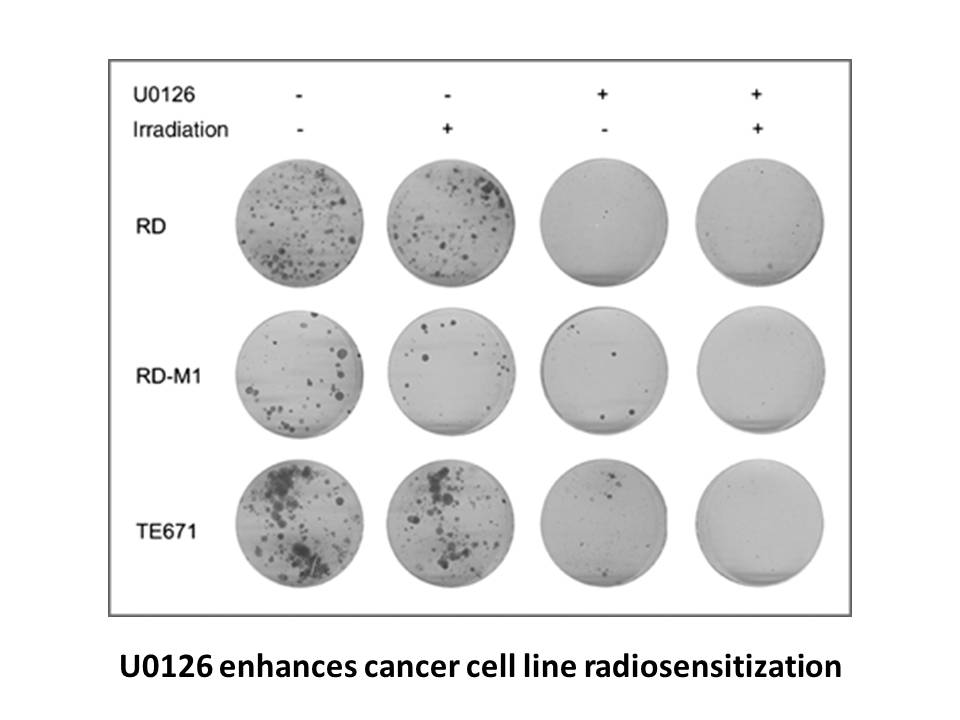
On the contrary, evidence also suggests that autophagy plays a striking protective role in cancer cells. Highly burgeoning cancer Zalcitabine mg require cellular building blocks for their metabolism and energy production. At this stage of cancer development, autophagy acts as a friend providing all
-
Previously using a P lacZ
2024-01-24
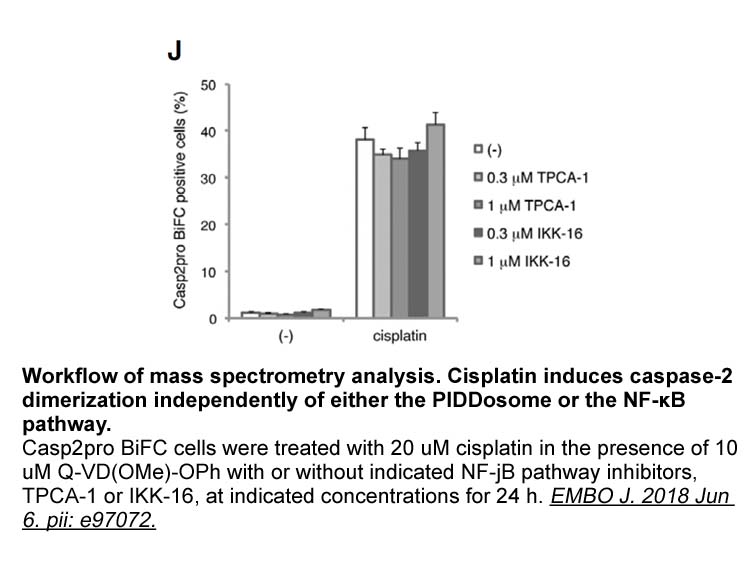
Previously, using a P-lacZ reporter gene system, it has been shown that the β-galactosidase activity was 9-fold higher in the stationary phase Dapoxetine HCl when compared with those of the exponential phase [15]. Furthermore, inositol supplementation did not have a major effect on the expression of
16326 records 230/1089 page Previous Next First page 上5页 226227228229230 下5页 Last page